Almonds and the Immune System Can a Daily Handful Boost Your Flu Jab?
Can almonds help your immune system? In a randomized trial of 90 adults, eating a daily handful for eight weeks raised antibody levels to some flu vaccine strains, but did not change how many people responded to the jab.
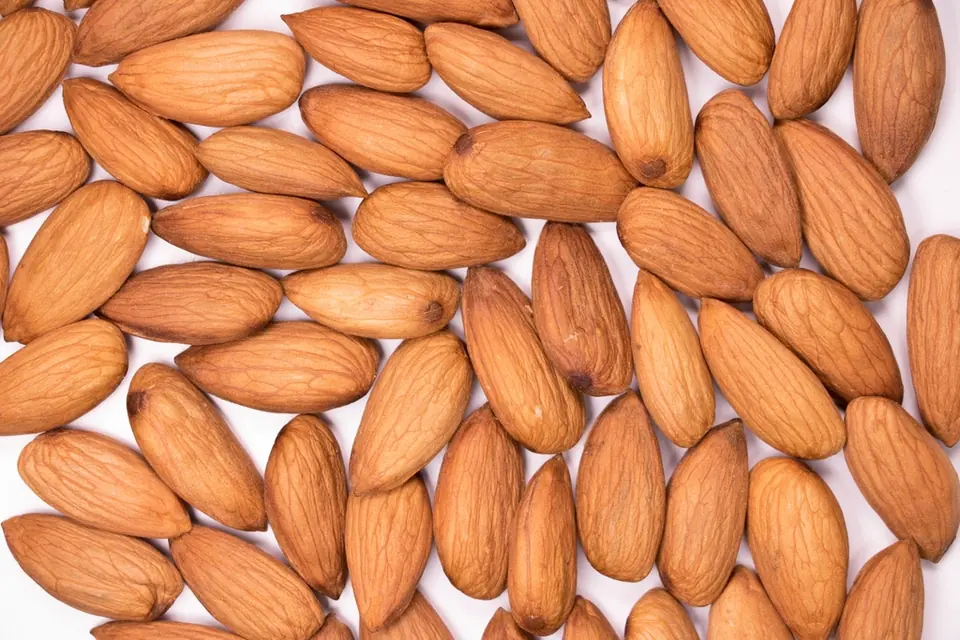
Flu season is here, and with it the eternal question: is there anything on my plate that could help my immune system? Researchers at King’s College London put one popular snack to the test. In a randomized trial published in the American Journal of Clinical Nutrition on 27 October 2026, they checked whether eating almonds every day changed how the body responds to the flu vaccine. The answer about almonds and the immune system is more nuanced than a headline would suggest.
Can food really help the immune system?
Some nutrient supplements, such as certain probiotics, have been shown to improve the response to vaccines. But until now, no randomized trial had tested a whole food. Almonds were a logical candidate: they provide vitamin E, zinc, magnesium and other nutrients involved in immunity, plus fibre that feeds gut bacteria — and the gut microbiota talks constantly with the immune system.
A vaccine offers scientists a neat way to measure this. Instead of waiting to see who catches a cold, they can measure how many antibodies the body makes after the jab.
How the almond trial worked
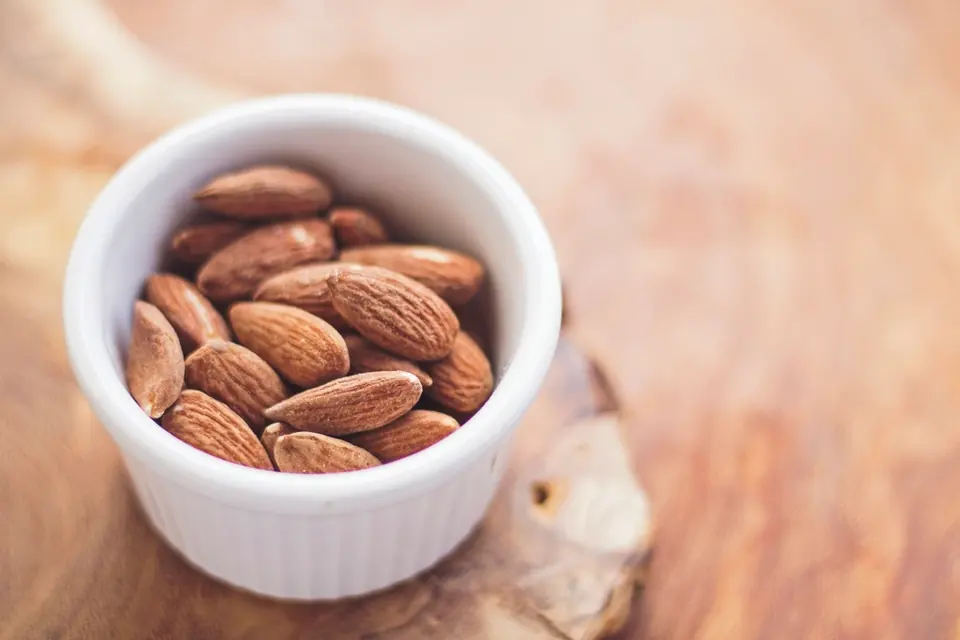
The 90 volunteers were randomly split into two groups. One ate 56 g of almonds a day; the other ate 86 g of pretzels, a snack with the same calories but none of the nutrients and fibre of nuts. After four weeks, everyone received the seasonal flu vaccine, and the snacks continued for another four weeks.
What the researchers measured
- Main goal: seroconversion — whether people had a strong rise in antibodies against at least one vaccine strain.
- Antibody levels against each flu strain, before and after the jab.
- Gut health: gut bacteria, short-chain fatty acids, stool consistency and digestive symptoms.
Do almonds boost the immune system? The results
The main result: no difference
The vaccine worked very well in both groups. 93% of the almond eaters and 95% of the pretzel eaters responded to at least one strain, a difference that was not significant. Protection rates against each strain were also similar.
More antibodies against some strains
The picture changed when the researchers looked at antibody levels. Against one strain of H1N1 flu, almond eaters ended up with much higher antibody levels, and their antibodies rose about 18-fold after the jab compared with 4-fold in the pretzel group. A similar but smaller boost appeared for a B strain.
A small change in the gut
Almond eaters had more of a gut bacterium called Roseburia hominis, known to produce beneficial compounds. However, there was no change in short-chain fatty acids or in stool consistency.
The limits of the study
- The main goal wasn’t met: almonds did not change how many people responded to the vaccine.
- Healthy, middle-aged volunteers: the vaccine already worked very well in them, leaving little room for improvement. The effect might differ in older adults, whose vaccine response is weaker — but that wasn’t tested.
- Antibodies are not infections: the study did not measure whether anyone actually caught flu.
- Funding: the trial was funded by the Almond Board of California; it was sponsored and run by King’s College London.
- Small sample: 90 participants over 8 weeks.
A handful of almonds is a good snack — not a substitute for your flu jab.
What it means for your plate this winter
This trial doesn’t prove that almonds protect you from flu, and you shouldn’t rely on any food to replace vaccination. But it adds to the idea that what we eat may fine-tune immune responses, possibly through the gut.
Almonds remain a nutritious snack: rich in fibre, vitamin E and healthy fats. If you enjoy them, a handful a day fits well into a balanced diet. For the best protection against flu, the evidence still points to the same advice: get your seasonal jab if it is recommended for you, sleep well, stay active and eat a varied, plant-rich diet.
Frequently asked questions
Are almonds good for the immune system?
Almonds provide vitamin E, zinc and fibre, which support immune function. In this trial, eating almonds daily raised antibody levels to some flu vaccine strains but did not change how many people responded to the vaccine.
How many almonds should I eat a day?
Trials often use around 30 to 60 g a day. This study used 56 g, about two small handfuls. A single handful of about 30 g is a common recommended portion.
Can food make my flu vaccine work better?
Some evidence suggests certain nutrients and probiotics can influence vaccine responses, and this trial found higher antibody levels with almonds. However, no food replaces vaccination itself.
Do almonds help gut health?
Almonds contain fibre that feeds gut bacteria. In this trial, almond eaters had more of the gut bacterium Roseburia hominis, but there was no change in short-chain fatty acids or stool consistency.
Sources
- van der Schoot A., Creedon A.C., Argomaniz N., et al., Whelan K., Dimidi E.. Almonds and the optimization of immune responses to influenza vaccination, compared with a control snack, in healthy adults: a randomized controlled trial. American Journal of Clinical Nutrition, published online 27 October 2026. doi:10.1016/j.ajcnut.2026.101596 · trial NCT05515263