
Which Osteoporosis Drug Best Prevents Another Fracture? Denosumab Edged Out Bisphosphonates in 15,000 Patients
Which osteoporosis drug best prevents another fracture? An Australian study of more than 15,000 people who broke a bone found that denosumab injections were linked to slightly fewer repeat fractures than bisphosphonates, while survival was the same.
Which osteoporosis drug best prevents another fracture?
Both main options work, but denosumab may have a small edge. In 15,099 Australians starting treatment after a fragility fracture, 83% of them women, bisphosphonates were linked to about 14% more repeat fractures in women than denosumab over three years, with no difference in survival. The best choice depends on your health, so discuss it with your doctor.
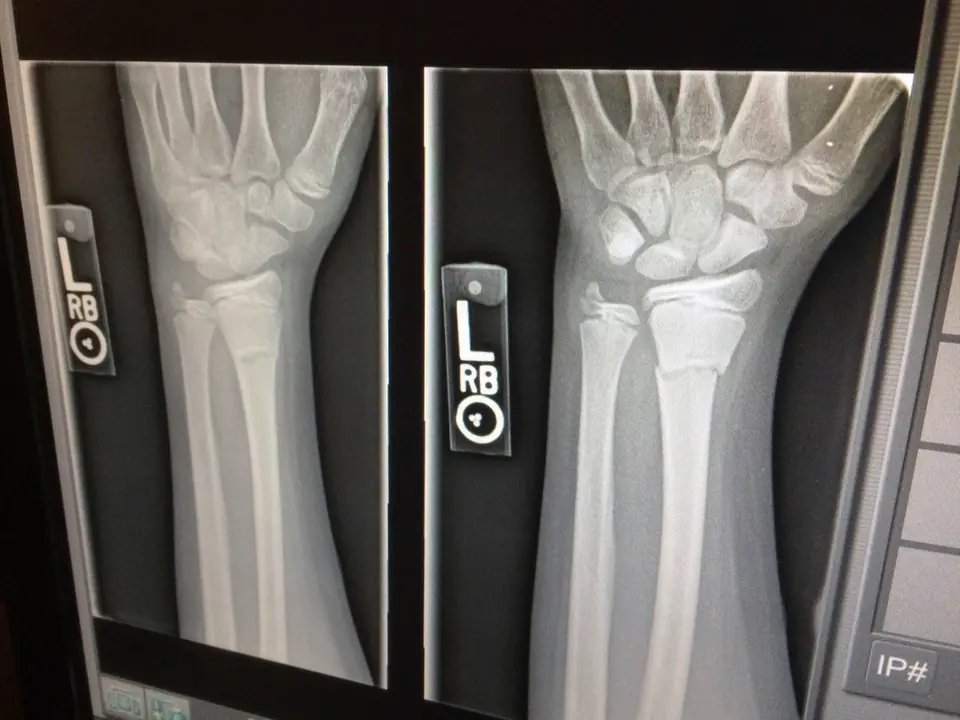
Breaking a wrist, hip or vertebra after a simple fall is often the first sign of osteoporosis, and the months that follow are when the risk of another break is highest. Two families of medicines are the usual first choice: bisphosphonates, such as alendronate tablets or a yearly zoledronic acid infusion, and denosumab, an injection every six months. A study published in JAMA Network Open on 11 November 2026 compared denosumab vs bisphosphonates in real patients after a fracture.
Why is the first year after a fracture so important?
About 1 in 2 women and 1 in 4 men will have a fracture from a minor fall in their lifetime. After a first fragility fracture, the risk of another one is highest in the following one to two years, and repeat fractures also raise the risk of death. Yet many people never start treatment.
Both drug families slow the cells that break down bone. Large trials proved each works better than placebo, but head-to-head comparisons in people who have just broken a bone were limited.
How was the study done?
The researchers used linked hospital, prescription and death records for the whole population of New South Wales. They included adults aged 50 and over who had never taken osteoporosis medicines and who started either a bisphosphonate (alendronate, risedronate or zoledronic acid) or denosumab within 12 months of a fracture. Women were included from 2011 and men from 2014, all followed for three years.
To mimic a clinical trial, they used a method called target trial emulation and statistical weighting to make the two groups comparable in age, health and fracture type.
Is denosumab better than bisphosphonates? The results
Fewer repeat fractures with denosumab
In women, there were 52.7 repeat fractures per 1,000 people per year with bisphosphonates, compared with 46.5 with denosumab. That is about 14% more with bisphosphonates, or 1.7 extra fractures per 100 women over three years. In men, the gap was larger: 21% more, or about 3 extra fractures per 100 men.
Mostly wrist, arm and other fractures
The difference came mainly from fractures outside the hip and spine, such as the wrist, arm or ankle, which make up most fractures. For hip and vertebral fractures, there was no significant difference between the two drugs.
Same survival
Death rates over three years were almost identical: 48.1 versus 48.9 per 1,000 women per year. The authors conclude that denosumab was linked to fewer refractures but not to longer life.
Why might denosumab do slightly better?
Denosumab suppresses bone breakdown faster and raises bone density more than bisphosphonates. It is also given as an injection every six months, often with regular follow-up, while oral bisphosphonate tablets are frequently forgotten or stopped. When the researchers looked only at people who kept taking their treatment, the gap was larger, at 30% in women.

What are the limits of the study?
- Not a randomized trial: despite careful methods, doctors may have chosen drugs for reasons the records didn’t capture.
- Missing details: bone density scans, smoking and diet weren’t available.
- Drugs grouped together: alendronate, risedronate and zoledronic acid couldn’t be compared separately.
- Industry links: the study was partly funded by a competitive grant from the Amgen Foundation (Amgen makes denosumab, sold as Prolia), alongside Australian public grants. The funders had no role in the analysis; one author has received speaking fees from Amgen.
The best osteoporosis treatment is the one you start, and keep taking.
What should you do after a fragility fracture?
If you are over 50 and have broken a bone in a minor fall, ask your doctor about a bone density scan and osteoporosis treatment. Both bisphosphonates and denosumab reduce fractures; the choice depends on your kidney function, dental health, other medicines and preference for tablets, infusions or injections.
One important point: denosumab must not be stopped or delayed without a plan, because bone loss can rebound quickly and raise the risk of spine fractures. Whatever treatment you take, combine it with calcium and vitamin D if advised, strength and balance exercise, and steps to prevent falls at home.
Frequently asked questions
Is denosumab better than alendronate?
In this study of 15,099 people after a fracture, denosumab was linked to about 14% fewer repeat fractures in women than bisphosphonates such as alendronate, with no difference in survival. Both are effective; your doctor will help you choose.
What happens if you stop denosumab?
Bone loss can rebound quickly within months, increasing the risk of spine fractures. Denosumab should only be stopped with a plan, usually by switching to a bisphosphonate.
What are the side effects of bisphosphonates?
Tablets can cause heartburn or stomach upset; the zoledronic acid infusion can cause flu-like symptoms for a day or two. Rare side effects of both drug types include jaw bone problems and unusual thigh fractures.
How soon after a fracture should osteoporosis treatment start?
As soon as possible, ideally within the first months, because the risk of another fracture is highest in the first one to two years.
Sources
- Lin M., Nguyen H., Tran T.S., Blank R.D., Center J.R., Bliuc D.. Bisphosphonates vs Denosumab After Low-Trauma Fractures. JAMA Network Open, published 11 November 2026. doi:10.1001/jamanetworkopen.2026.43512