
Tirzepatide Muscle Loss Strength Training Protected Muscle and Made People Stronger
Tirzepatide muscle loss is real, but it can be limited: in a 40-week Nature Medicine trial, people who lifted weights three times a week lost the same amount of fat, less lean mass, and ended up stronger instead of weaker.

Weight-loss injections such as tirzepatide (sold as Mounjaro and Zepbound) can melt away a fifth of body weight. But not all of that weight is fat: part of it is lean tissue, including muscle. A randomized trial published in Nature Medicine on 9 November 2026 tackles the question many users ask — how to limit tirzepatide muscle loss — and the answer is refreshingly low-tech: lift weights three times a week.
Does tirzepatide cause muscle loss?
Tirzepatide mimics two gut hormones that reduce appetite. When people eat much less and lose weight quickly, the body sheds fat but also some lean soft tissue — a category that includes muscle, organs and water. Earlier trials of these drugs measured losses of 11–14% of lean mass.
That matters, especially after 50. Muscle keeps us strong, steady on our feet and metabolically healthy, and it already declines naturally with age. For women after menopause, muscle and strength are also part of protecting bones and preventing falls.
How the T-REx trial worked
The researchers recruited 120 previously inactive men and postmenopausal women aged 50 to 70, with obesity, or overweight plus a weight-related condition. Nobody had diabetes or heart disease. Everyone received weekly tirzepatide injections, increased step by step, with most people reaching the top dose of 15 mg.
The strength training programme
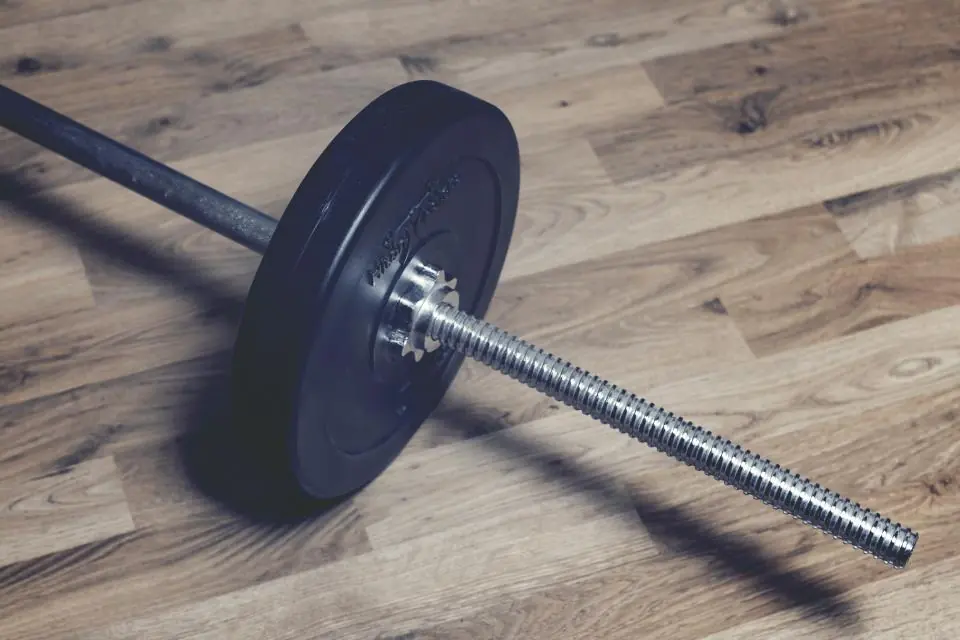
- Three one-hour group sessions a week in a gym, for 40 weeks, supervised by accredited exercise physiologists.
- A gradual build-up: the first 8 weeks focused on technique at light to moderate effort, then intensity rose in 8-week blocks alternating muscle-building and strength work.
- Classic moves for the major muscle groups: squats, deadlifts, leg press, lat pulldowns, shoulder press, chest press and biceps curls.
Commitment was impressive: participants attended 91% of their sessions on average, and 93% of all volunteers completed the trial.
How results were measured
Body composition was tracked with DXA scans every eight weeks, and maximal strength was tested on bench press, lat pulldown and knee extension.
Results: does strength training prevent muscle loss on tirzepatide?
Both groups lost almost exactly the same amount of weight — around 22.5 kg — and the same amount of fat, about 17–18 kg. The difference was in what was left underneath.
Less lean mass lost
- Drug only: 4.7 kg of lean soft tissue lost over 40 weeks.
- Drug plus strength training: 3.6 kg lost — about 1.1 kg less.
- Lean tissue in the arms and legs followed the same pattern.
Interestingly, lean mass loss levelled off after about 24 weeks in both groups. Exercise did not completely prevent it, but it reduced it.
Stronger, not weaker
This was the most striking finding. On tirzepatide alone, strength dropped by 6–9% across the three tests. With training, it rose by 11–18%. The net gap between groups was about 19–23%. For comparison, the authors cite a typical strength decline of 12–15% per decade after age 50.
Side effects and safety
Side effects were the usual ones for this drug class and were similar in both groups: nausea in about half of participants, and vomiting, constipation, diarrhoea or indigestion in about a third. Lightheadedness was common early on, as blood pressure fell. Six serious adverse events occurred and none was judged related to tirzepatide or exercise. Blood pressure, blood sugar and cholesterol improved equally in both groups — training added no extra benefit there.
The limits of the study
- Who took part: healthy, inactive adults aged 50 to 70 without diabetes or heart disease. Results may differ in younger women or people with other conditions.
- Ideal conditions: sessions were supervised, in groups, three times a week. Whether people can do this in everyday life is still to be tested.
- Lean mass is not exactly muscle: DXA measures all lean soft tissue, not muscle alone.
- No blinding: participants knew whether they were exercising, and testers could not always be blinded either.
- Links to the manufacturer: Eli Lilly supplied the drug free of charge and reviewed the manuscript but did not otherwise fund the trial; several authors have received speaker fees from the company.
What it means for keeping muscle while losing weight
If you are taking a GLP-1-type medicine, this trial suggests that what you do in the gym shapes the body you end up with. The scale moved the same either way, but those who trained finished stronger, with more lean tissue. It also echoes advice for every woman over 50, medication or not: resistance training a few times a week is one of the best investments in long-term mobility.
Start gradually, focus on technique, and increase the load progressively. Participants were also asked to keep up their protein intake. Talk to your doctor before starting a new exercise programme — especially if you feel dizzy, which is common in the first weeks of treatment — and consider a few sessions with a qualified trainer or physiotherapist.
Frequently asked questions
How much muscle do you lose on tirzepatide?
In the T-REx trial, people on tirzepatide alone lost about 4.7 kg of lean soft tissue over 40 weeks while losing around 22.5 kg in total. Lean tissue includes muscle but also water and organs, so muscle loss itself is somewhat lower.
Does strength training on Mounjaro prevent muscle loss?
It reduces it rather than preventing it completely. Three supervised strength sessions a week cut lean mass loss to about 3.6 kg and increased strength by 11–18%, while weight and fat loss stayed the same.
How often should you lift weights on GLP-1 medication?
The trial used three one-hour sessions a week, progressing gradually over 40 weeks. Your doctor or a qualified trainer can help adapt the frequency and load to your health and fitness level.
Does strength training slow down weight loss on tirzepatide?
No. In the trial, both groups lost almost exactly the same amount of weight and fat. The difference was that the training group kept more lean tissue and became stronger.
Sources
- Green D.J., Haynes A., Underwood D.R., et al.. Resistance exercise to attenuate lean mass loss during tirzepatide therapy for obesity: a randomized controlled trial. Nature Medicine, published online 9 November 2026 (open access). doi:10.1038/s41591-026-04752-5