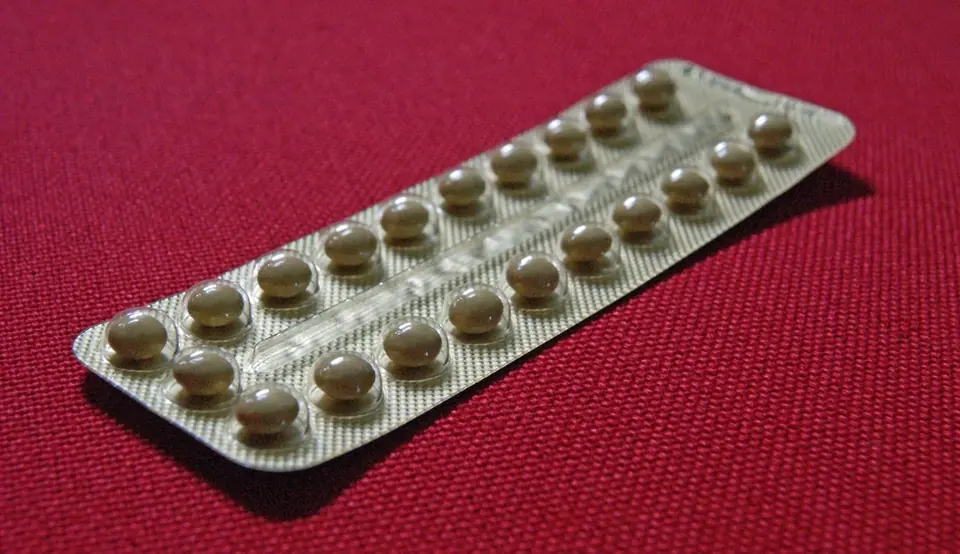
Does Estrogen Protect the Brain? Longer Reproductive Years and Hormone Use Were Linked to Healthier Brain Blood Vessels
Does estrogen protect the brain? A study of 352 women aged 70 found that a longer reproductive lifespan, and use of the pill or menopausal hormone therapy, were linked to healthier blood vessels in the brain.
Does estrogen protect the brain?
It may help the brain’s blood vessels. In a Swedish study of 352 women aged 70, each extra year between first period and menopause was linked to 8% lower odds of more small-vessel damage on brain scans. Hormone therapy and the pill were linked to healthier white matter. It shows a link, not proof.

Women make up about two-thirds of people living with Alzheimer’s disease, and scientists have long wondered whether estrogen plays a part. A study published in Neurology on 4 November 2026 looked at how a woman’s lifetime exposure to estrogen relates to her brain at 70, adding new evidence on estrogen and brain health.
What is cerebral small vessel disease?
Cerebral small vessel disease is damage to the tiny blood vessels deep in the brain. It is very common with age and often silent, but it is linked to strokes, slower thinking and a higher risk of dementia.
On MRI scans, it shows up as four main signs: white matter hyperintensities (bright spots in the brain’s wiring), small old strokes called lacunes, tiny bleeds (microbleeds) and enlarged spaces around blood vessels. The researchers counted how many of these signs each woman had, from 0 to 4.
How was the study done?
All the women were 70 at the start. They reported their age at their first period, their age at menopause (or at surgical removal of the ovaries), and whether they had ever used the pill or menopausal hormone therapy. The reproductive lifespan was the number of years in between, on average about 37.
The researchers then compared these exposures with brain scans at 70 and 75, adjusting for factors such as education, pregnancies, breastfeeding, blood pressure and heart disease.

Is estrogen good for the brain? The results
A longer reproductive lifespan
Each additional year between the first period and menopause was linked to 8% lower odds of a higher small-vessel disease score. Women with longer estrogen exposure also had more stable brain changes over the five years.
Menopausal hormone therapy
Women who had used hormone therapy had fewer microbleeds and fewer enlarged perivascular spaces. In women carrying the APOE-ε4 gene, which raises Alzheimer’s risk, hormone therapy was also linked to thicker cortex in areas affected by Alzheimer’s.
The pill and hormone therapy together
Both the pill and hormone therapy were linked to better white matter integrity. Women who had used both had the healthiest white matter of all, compared with women who had used neither.
What are the limits of the study?
- Observational: women who used hormones may differ in health, wealth or access to care.
- Memory of the past: hormone use was self-reported decades later and recorded only as ever or never, without dose or duration.
- Brain scans, not thinking: the study didn’t show effects on memory or dementia.
- One group: Swedish women born in 1944, so results may not apply to everyone.
The brain may carry a quiet record of a woman’s hormonal life.
Should you take hormone therapy to protect your brain?
Not for that reason alone. Major guidelines do not recommend hormone therapy to prevent dementia, because trials have not shown that it does. It is used to treat menopause symptoms, and the decision depends on your age, symptoms and personal risks.
What protects small brain blood vessels is well established:
- Keep blood pressure in a healthy range and get it checked regularly.
- Stay active and don’t smoke.
- Manage blood sugar and cholesterol.
- Sleep well and stay socially and mentally engaged.
If you had an early menopause, before 45, ask your doctor whether hormone therapy is advised until the usual age of menopause.
Frequently asked questions
Does early menopause affect the brain?
Earlier menopause means a shorter reproductive lifespan, which this study linked to more small-vessel changes on brain scans. Women with early menopause are often advised to take hormone therapy until about age 51 for overall health.
Does hormone therapy prevent dementia?
It hasn’t been proven to. This study linked it to healthier brain blood vessels, but guidelines don’t recommend hormone therapy for dementia prevention.
Is the birth control pill bad for your brain?
This study found the opposite: past pill use was linked to better white matter integrity at age 70. It is an association, not proof of benefit.
What is small vessel disease in the brain?
It is damage to the tiny blood vessels deep in the brain, seen on MRI. It is common with age and linked to stroke, slower thinking and dementia.
Sources
- Lorenzon G., Garcia-Lluch G., Coughlan G.T., et al., Marseglia A.. Reproductive Lifespan and Hormonal Therapy in Relation to Later-Life Neurovascular Health in Community-Dwelling Older Women. Neurology, published online 4 November 2026. doi:10.1212/WNL.0000000000218706
This article is for information only and is not medical advice. How we research and check our stories.