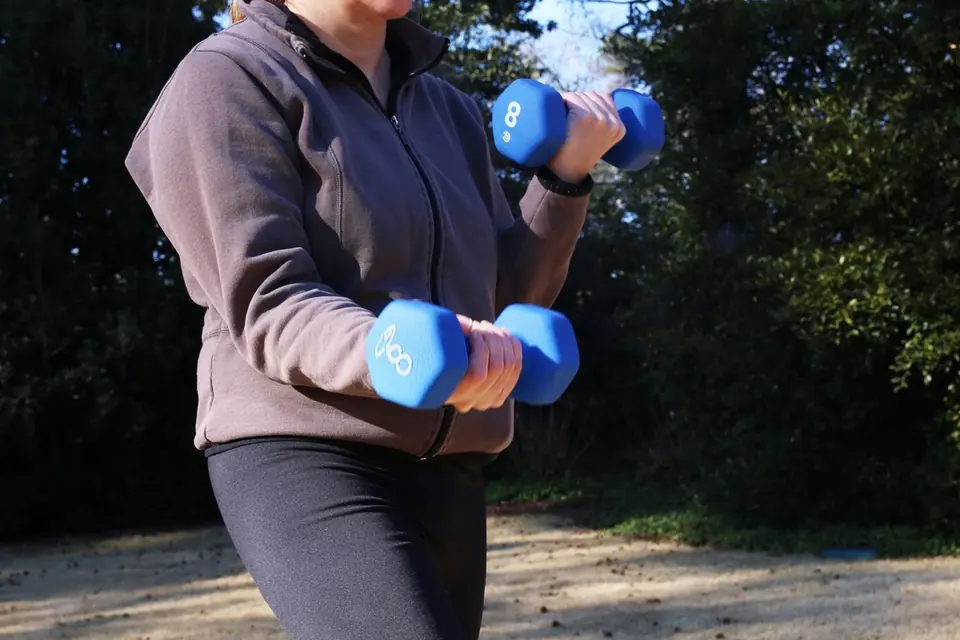
Does Exercise Help Your Brain After Menopause? Strength Training Raised a Key Brain-Growth Protein Most
Does exercise help your brain after menopause? A review of 12 studies found that regular exercise raised BDNF, a protein that supports brain cells, in postmenopausal women, with strength training showing the biggest effect.
Does exercise help your brain after menopause?
It seems to support it. A meta-analysis of 12 studies in 351 postmenopausal women found that regular, structured exercise raised blood levels of BDNF, a protein that helps brain cells grow and connect. Strength training had the largest effect. The studies were small and varied, so the exact size of the benefit is uncertain.

Brain fog, forgetfulness and trouble finding words are common complaints around menopause, and many women worry about their brain health in the long run. Exercise is often recommended, but how does it help? A meta-analysis published in Frontiers in Physiology on 22 October 2026 looked at one possible link between exercise and brain health after menopause: a protein called BDNF.
What is BDNF?
BDNF, or brain-derived neurotrophic factor, is a protein that helps brain cells survive, grow and form new connections. It is especially important in the hippocampus, the part of the brain involved in memory and learning. Lower levels have been linked to depression and to cognitive decline.
Estrogen helps regulate BDNF, so levels may fall after menopause. Exercise is one of the best-known ways to raise it.
How was the study done?
The researchers searched four databases for studies testing exercise programmes in postmenopausal women that measured BDNF in the blood, up to August 2026. They found 12, with 173 women in exercise groups and 178 in control groups. All tested regular training over weeks or months, not a single workout.
They pooled the results and compared types of exercise, durations, intensities and groups of women, while checking the quality of each study.

Does exercise raise BDNF after menopause? The results
Exercise in general
Overall, structured exercise raised BDNF levels compared with control groups. The effect was moderate in size and statistically significant, but the results varied a lot from study to study.
Strength training stood out
Resistance training, such as weights, bands or body-weight exercises, had the largest effect, roughly 1.7 times the average effect of exercise overall. The authors conclude that strength-based programmes, which rely on short bursts of effort, were the most effective in healthy postmenopausal women.
Other factors
The type of exercise, the women’s health and the length of the programme helped explain why results differed. Some comparisons couldn’t be tested because too few studies were available.
Why might strength training help the brain?
Working muscles release signalling molecules that travel to the brain and can raise BDNF. Strength training also improves blood sugar control and blood flow, both good for the brain. It builds muscle and bone too, which decline faster after menopause, so it brings several benefits at once.
What are the limits of the study?
- Small studies: 351 women in total, and some studies were not properly randomised.
- Very mixed results: the studies differed a lot, so the overall number is uncertain.
- Blood, not brain: BDNF in the blood doesn’t perfectly reflect levels in the brain.
- No memory tests pooled: the review didn’t show that exercise improved thinking or prevented dementia.
Lifting weights may strengthen more than muscle.

How can you start strength training after menopause?
- Aim for two sessions a week that work the major muscles: legs, hips, back, chest, shoulders and arms.
- Start light: body-weight squats, wall push-ups and resistance bands are enough to begin.
- Progress gradually, adding weight or repetitions when an exercise feels easy.
- Keep moving the rest of the week, with brisk walking, cycling or dancing.
- Get guidance from a physiotherapist or qualified trainer if you have osteoporosis, joint pain or a heart condition.
Frequently asked questions
What exercise is best for the brain after menopause?
In this review, strength training raised BDNF the most. Combining it with regular aerobic exercise, such as brisk walking, gives the widest range of health benefits.
Can exercise help menopause brain fog?
Exercise improves sleep, mood and blood flow, which may help with brain fog. This review found it raised BDNF, but didn’t measure brain fog directly.
What is BDNF?
Brain-derived neurotrophic factor is a protein that helps brain cells survive, grow and connect. It plays an important role in memory and learning.
How often should women over 50 do strength training?
Health guidelines recommend muscle-strengthening activities on at least two days a week, alongside 150 minutes of moderate aerobic activity.
Sources
- Zhou Y., Chai J., Wang J., Wang J.. Structured effects of exercise on circulating brain-derived neurotrophic factor (BDNF) in postmenopausal women: a meta-analysis. Frontiers in Physiology, published 22 October 2026. doi:10.3389/fphys.2026.1953636
This article is for information only and is not medical advice. How we research and check our stories.