Does the DASH Diet Lower Stroke Risk in Women? Older Women Who Ate DASH-Style Had Far Fewer Strokes
Does the DASH diet lower stroke risk in women? A study of older Israeli adults found that women whose diet matched DASH had about a quarter of the stroke risk of other women, while men showed no clear link.
Does the DASH diet lower stroke risk in women?
It may, especially in older women. In an Israeli study of 1,177 adults aged 65 and over, 1.9% of women who ate in line with the DASH diet had an ischemic stroke over about seven years, versus 8.0% of other women. Men showed no such link. More fruit, vegetables, whole grains and less salt is a safe bet.
Stroke is a leading cause of death and disability in women, and women tend to have strokes at older ages than men. The DASH diet was designed to lower blood pressure, the biggest risk factor for stroke. A study published in Frontiers in Nutrition on 6 November 2026 checked whether it is linked to fewer strokes in older adults, and whether the link differs between women and men, adding to what we know about the DASH diet and stroke.
What is the DASH diet?
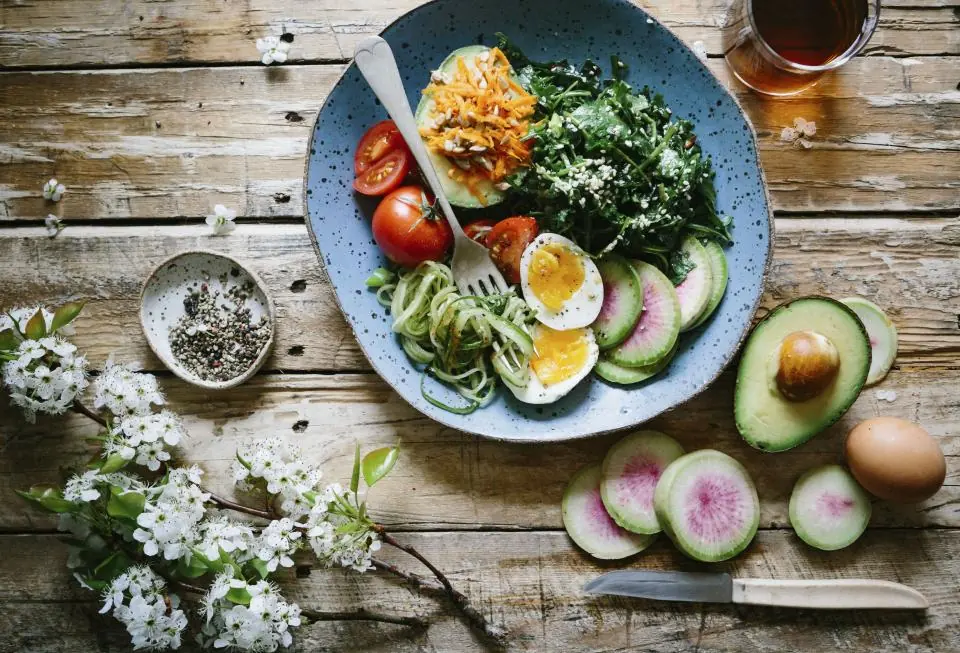
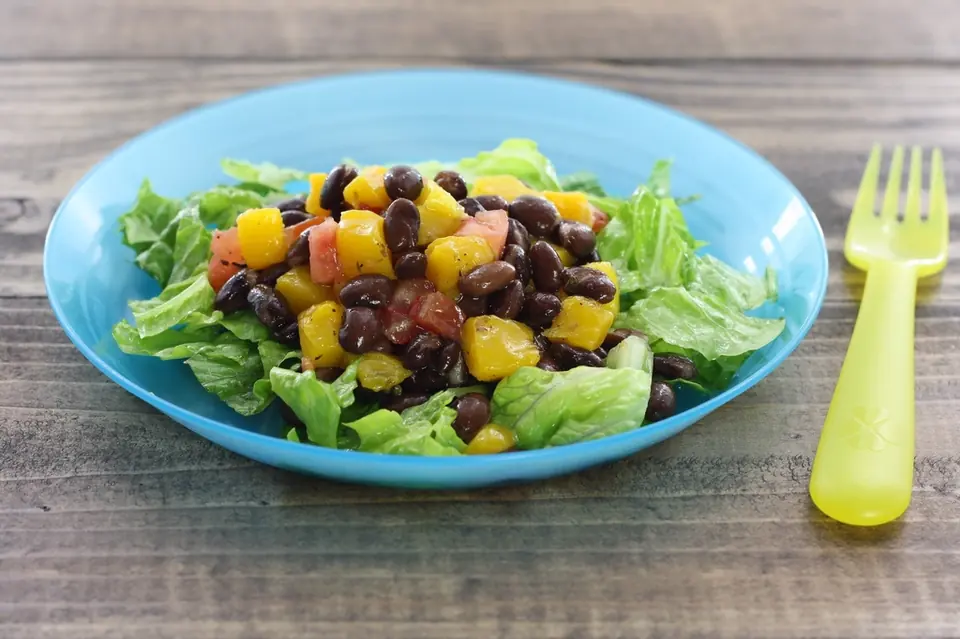
DASH stands for Dietary Approaches to Stop Hypertension. It was developed in the 1990s and is rich in vegetables, fruit, whole grains, beans, nuts and low-fat dairy, with fish and poultry rather than red and processed meat. It limits salt, sugary foods and saturated fat.
In this study, each person’s diet was scored on nine nutrients, including potassium, magnesium, calcium, fibre, sodium and saturated fat. A score of 4.5 out of 9 or more counted as DASH-accordant. Only 28% of participants reached it.
How was the study done?
The participants took part in Israel’s first national health and nutrition survey of older adults in 2005–2006, where they described everything they had eaten the day before. Researchers linked their answers to the national stroke registry and followed them from 2014 to 2022, about 6.6 years on average.
The analysis accounted for age, population group, income, total calories, smoking and physical activity, and for the fact that many participants died during follow-up.
Does the DASH diet prevent strokes in women? The results
Far fewer strokes in DASH-eating women
Among women, 8.0% of those whose diet did not match DASH had an ischemic stroke (one caused by a blocked artery), compared with 1.9% of those whose diet did.
No benefit seen in men
In men, the estimate went in the opposite direction, but it was not statistically significant and was based on only 20 strokes. The difference between women and men was statistically significant, which suggests the link may truly differ by sex.
Why might DASH help women more than men?
The authors note that high blood pressure becomes more common in women after menopause and plays a large role in their stroke risk, so a diet that lowers blood pressure may matter especially for them. Women may also respond differently to nutrients such as potassium and sodium. These are hypotheses: earlier large studies in the US did not find a clear difference between the sexes.
What are the limits of the study?
- One day of eating: a single 24-hour recall may not reflect a person’s usual diet.
- Few events: 60 strokes in total, 40 in women, so the estimates are uncertain.
- A gap in time: diet was recorded in 2005–2006 but stroke tracking started in 2014, and people who died or had strokes earlier were excluded.
- Observational: healthier eaters may differ in other ways, and some data, such as atrial fibrillation and medication, were missing.
What fills the plate at 70 may still shape the years that follow.
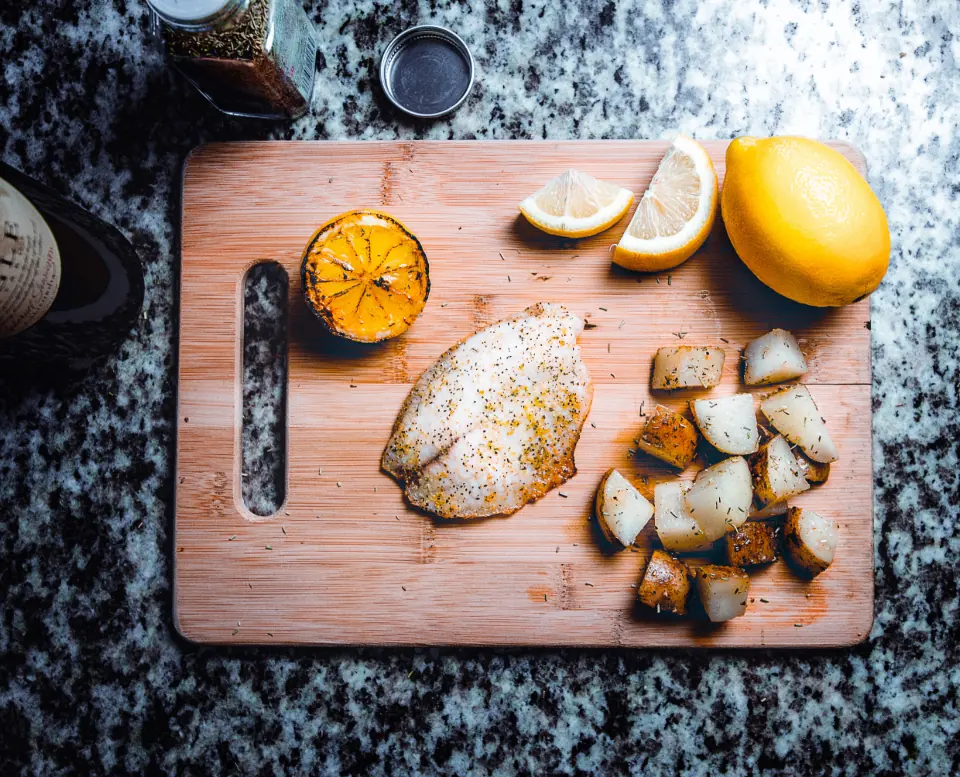
How can you eat more DASH-style?
- Fill half your plate with vegetables and fruit at most meals.
- Choose whole grains such as oats, brown rice and wholemeal bread.
- Eat beans, lentils, nuts and seeds several times a week.
- Pick low-fat milk or yoghurt for calcium.
- Cut back on salt: cook from scratch, read labels, and flavour with herbs and lemon.
- Limit red and processed meat, sweets and sugary drinks.
If you take blood pressure medicine or have kidney disease, ask your doctor before making big changes, especially to potassium intake.
Frequently asked questions
What foods are on the DASH diet?
Vegetables, fruit, whole grains, beans, nuts, seeds, low-fat dairy, fish and poultry. It limits salt, red and processed meat, sweets and sugary drinks.
Can diet really prevent a stroke?
Diet can lower blood pressure, cholesterol and blood sugar, which reduces stroke risk. This study found fewer strokes in older women eating DASH-style, but it can’t prove the diet caused it.
Is the DASH diet good for women over 65?
It seems so. In this study, older women whose diet matched DASH had about a quarter of the stroke risk of other women.
What is an ischemic stroke?
It is a stroke caused by a blocked blood vessel in the brain, the most common type. Sudden face drooping, arm weakness or slurred speech need an emergency call.
Sources
- Lutski M., Libruder C., Binyaminy B., Stark A.H., Dichtiar R., Keinan-Boker L., Monsonego-Ornan E., Sinai T.. DASH diet adherence is associated with lower ischemic stroke incidence among older women: findings from a sex-specific analysis. Frontiers in Nutrition, published 6 November 2026. doi:10.3389/fnut.2026.1954759
This article is for information only and is not medical advice. How we research and check our stories.