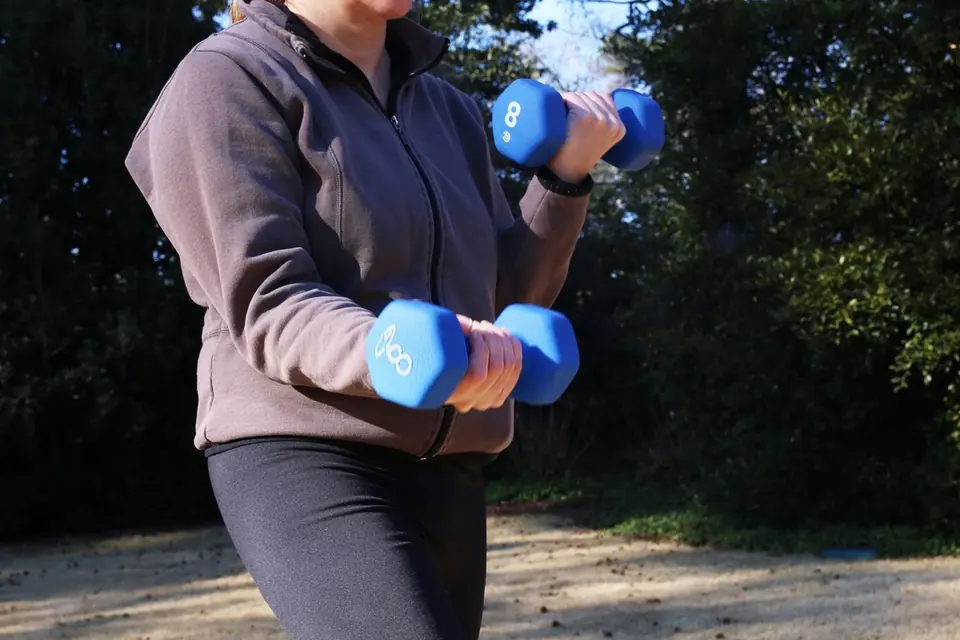
Short Bursts of Exercise Your Most Intense Minutes of the Day May Help You Live Longer, Study of 65,000 Adults
Short bursts of exercise may matter more than we think. In a German study of more than 65,000 adults who wore activity trackers for a week, moving more overall was linked to a lower risk of death, and so was putting more effort into your most active minutes, even when they were scattered across the day.
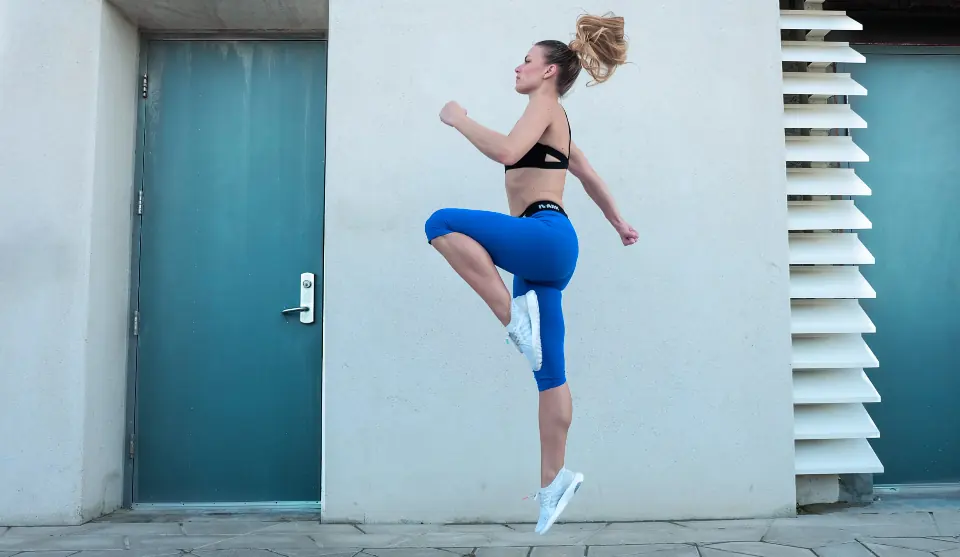
Climbing the stairs two at a time, rushing for the bus, carrying heavy shopping: these brief efforts rarely feel like a workout. Yet a large study published in BMC Medicine on 10 November 2026 suggests they may count. Tracking the movement of more than 65,000 adults, researchers found that both how much you move and how hard you push during your most active minutes were linked to living longer, and that short bursts of exercise spread across the day were at least as good as long, continuous sessions.
Volume, intensity, pattern: three ways to measure activity
Health guidelines recommend at least 150 minutes of moderate activity a week. But that single number hides several questions. Is it the total amount of movement that matters, or how intense it is? And is a 30-minute walk better than the same effort split into short episodes throughout the day?
Most earlier studies relied on questionnaires, which are poor at capturing brief activity like climbing stairs. Wearable trackers record every movement, making it possible to separate these dimensions.
How the study was done
Between 2014 and 2019, participants in the NAKO, Germany’s largest health study, wore an accelerometer on the right hip for a week, day and night. From these recordings, the researchers calculated:
- Volume: the total amount of movement over 24 hours;
- Duration: the minutes spent moving rather than sitting or sleeping;
- Peak intensity: how hard people moved during their most active 1 to 120 minutes of the day;
- Pattern: whether those active minutes came in one continuous block or were scattered.
Over a median follow-up of 8 years, 1,634 participants died. The analyses took into account age, sex, smoking, alcohol, weight, chronic diseases, grip strength, sleep and socioeconomic status.

Do short bursts of exercise help you live longer? The results
Moving more overall: the strongest signal
Total movement had the most consistent link with survival. People at the higher end of daily movement had a 27% lower risk of death than those at the lower end, and the risk kept falling as movement increased. Time spent moving mattered too, with the biggest gains among the least active; the benefit levelled off beyond about 320 minutes of light or more intense movement a day.
Intensity adds benefit on top
Even when total movement was the same, people who moved more intensely during their most active minutes had a lower risk of death. The link was strongest for the very shortest windows: the intensity of a person’s single most active minute was associated with a 42% lower risk, compared with 31% for their most active two hours.
Scattered bursts beat long sessions
When those intense minutes had to be done in one continuous block, the link was weaker. Activity accumulated in short, intermittent bursts kept its benefit across all durations, whereas the advantage of continuous effort faded beyond about an hour. Intensity also mattered most for people who moved little overall, suggesting that brief efforts may be especially valuable for the least active.

Why might short bursts help?
The study wasn’t designed to explain why. Regular activity improves heart and metabolic health, immunity and brain health. Short bursts of higher effort may challenge the heart and muscles enough to bring some of these benefits, and they may be easier to sustain at a higher intensity than a long, continuous session.
The limits of the study
- Links, not proof: fitter, healthier people may naturally move more intensely; the authors adjusted for many factors, but some confounding may remain.
- One week only: activity was measured once, and habits change with age, retirement or illness.
- Hip trackers miss some activities: cycling, swimming and upper-body exercise are under-recorded.
- No context: the trackers couldn’t tell exercise from physical work, which isn’t always good for health.
This analysis received no specific funding; the NAKO cohort is funded by the German federal government, federal states and research institutions. One author reported consulting and research grants from Bayer and Siemens Healthineers.
Every move counts, and a few harder minutes may count a little more.
What it means for your daily routine
The main message is reassuring: the more you move, the better, and you don’t need long gym sessions to benefit. Building short bursts of effort into your day, such as taking the stairs briskly, walking fast between meetings or playing actively with children, is a realistic way to add intensity.
If you are currently inactive, start with more everyday movement and gradually add brief, harder efforts. If you have a heart condition or other health concerns, check with your doctor before increasing the intensity of your activity.
Frequently asked questions
Do short bursts of exercise count?
Yes. In this study of 65,028 adults, more intense active minutes were linked to a lower risk of death even when they were spread across the day in short bursts rather than done in one session.
Is it better to exercise in one session or spread it out?
Both help. Here, intense activity accumulated in short, scattered bursts kept its link with longer life across all durations, while the advantage of continuous sessions faded beyond about an hour.
How much should I move each day?
Guidelines recommend at least 150 minutes of moderate activity a week plus muscle-strengthening twice a week. In this study, any extra daily movement was linked to lower risk, with the biggest gains among the least active.
What are exercise snacks?
Exercise snacks are brief bouts of vigorous activity, often a minute or two, such as climbing stairs quickly or doing squats. They are a practical way to add intensity to a busy day.
Sources
- Fromherz P., Stein M.J., Lendt C., Bamberg F., Baurecht H., et al., Leitzmann M.F.. Daily physical activity volume, intensity, and accumulation patterns in relation to all-cause mortality in the German National Cohort (NAKO). BMC Medicine, published 10 November 2026. doi:10.1186/s12916-026-05385-8