
Strength Training for Depression 80 Trials Show Lifting Weights Lifts Mood, Especially in Women
Strength training for depression works better than many people think. A new analysis of 80 randomized trials found that lifting weights or using resistance bands reduced depressive symptoms, more than other activities, with the largest effects in women-only groups.
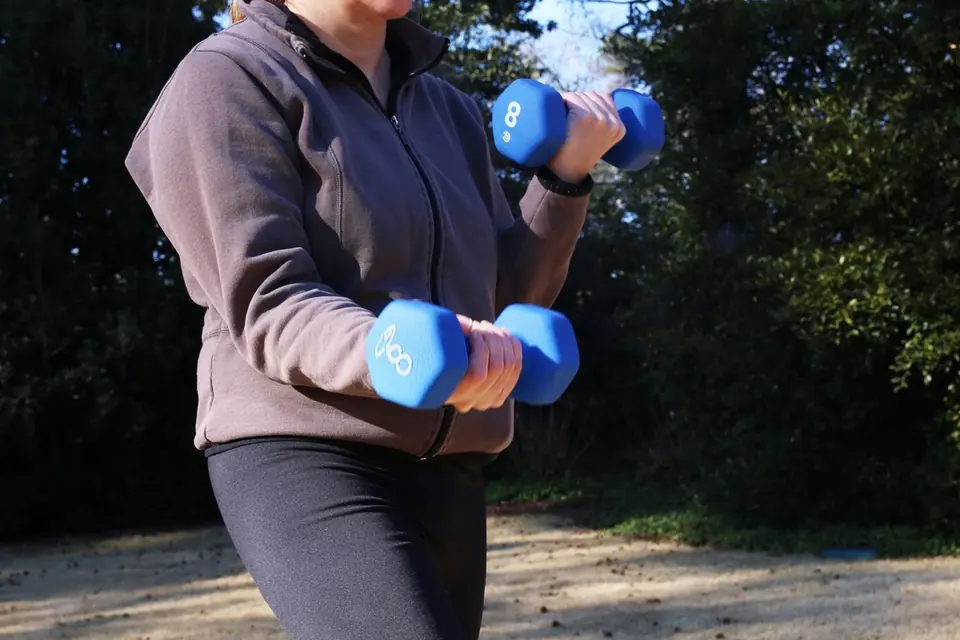
When we think of exercise for mental health, we usually picture running, walking or yoga. Weights rarely come to mind. Yet a large analysis published in JAMA Network Open on 16 November 2026 suggests that strength training for depression deserves a place near the top of the list: it eased depressive symptoms across 80 trials, and beat several other activities known to help mood.
What is strength training, exactly?
Strength or resistance training means making your muscles work against a load: free weights, machines, resistance bands or your own body weight in moves like squats and push-ups. Health guidelines recommend it at least twice a week for adults, mainly for muscles, bones and metabolism.
An earlier meta-analysis had already found that resistance training eased depressive symptoms compared with doing nothing. The open question was whether it does better than other activities that also help mood, and for whom.
How the analysis was done
The researchers pooled 80 randomized clinical trials published up to July 2025. Each lasted at least 3 weeks and measured depressive symptoms with a validated questionnaire. Many participants were not clinically depressed: 57 trials enrolled people living with an illness such as fibromyalgia, multiple sclerosis or heart disease.
Two types of comparison
- Inactive: no treatment, a waiting list or usual care.
- Active: aerobic exercise, relaxation, stretching, yoga or other mind-body exercise, nutrition, education or social contact.
Does strength training help depression? The results
Better than doing nothing
Compared with inactive groups, strength training was linked to a moderate, clinically meaningful drop in depressive symptoms. Across all comparisons combined, the effect was smaller but clear.
Better than other activities
Even against active comparisons, including aerobic exercise and yoga, strength training came out ahead, though by a small margin. The advantage was larger in people with a mental illness than in those without.
The strongest effect in women
Compared with doing nothing, the effect was largest in trials that included only women, roughly a large effect on the standard scale researchers use. Training at least 4 days a week and sessions of 30 minutes or less were also linked to bigger benefits, although estimates for short sessions were very imprecise.
Why might lifting weights lift mood?
The analysis didn’t test mechanisms. Possible explanations include changes in brain chemistry and inflammation, better sleep, and the sense of mastery that comes from getting visibly stronger over a few weeks. Strength training is also easy to measure and progress, which can be motivating.
The limits of the study
- Very different trials: participants, programmes and questionnaires varied a lot, so results were heterogeneous.
- Weak reporting: many trials didn’t report how allocation was concealed, attendance or adherence; better-designed trials showed smaller effects.
- Not randomized comparisons: findings about women, frequency and session length come from comparing trials, not from testing these factors directly.
- Mixed groups: most participants had another illness, and only some had clinical depression.
The work was funded by public research grants in Ireland and the US, and the authors reported no conflicts of interest.
Getting stronger may be one of the simplest ways to feel better.
What it means for your mental health
If you are looking for a way to support your mood, two or more short strength sessions a week are a realistic place to start: squats, lunges, push-ups against a wall or light dumbbells at home all count. A trainer or physiotherapist can help you begin safely.
Exercise can complement, but not replace, care for depression. If low mood, loss of interest or hopelessness last more than two weeks, talk to your doctor: therapy and medication are effective, and exercise can be part of the plan. If you have thoughts of harming yourself, seek urgent help.
Frequently asked questions
Does strength training help with depression?
Yes. In this analysis of 80 randomized trials, resistance training reduced depressive symptoms moderately compared with no exercise, and slightly more than other activities such as aerobic exercise or yoga.
Is weightlifting better than running for depression?
In this meta-analysis, strength training had a small advantage over active comparisons, which included aerobic exercise. Both help, so the best choice is the one you will keep doing.
How often should I strength train for mental health?
Guidelines recommend at least two sessions a week. In this analysis, training at least 4 days a week and sessions of 30 minutes or less were linked to larger benefits, though those comparisons are less certain.
Can exercise replace antidepressants?
Exercise can be an effective part of treatment, but don’t stop medication without talking to your doctor. For moderate or severe depression, combining therapy, medication and exercise is often best.
Sources
- O’Sullivan D., Rice J.M., Meyer J.D., Smith S., Gordon B.R., McDowell C., Sherwin I., Lyons M., Herring M.P.. Resistance Exercise Training for Depressive Symptoms: A Meta-Analysis and Meta-Regression Analysis. JAMA Network Open, published 16 November 2026. doi:10.1001/jamanetworkopen.2026.44254