Does Diet Affect PMS Symptoms? The MIND Diet Was Only Weakly Linked to Milder PMS, but Cravings Told a Story
Does diet affect PMS symptoms? A study of 405 women found the brain-healthy MIND diet only weakly linked to milder PMS, while women with PMS reported eating more sugary, fried and packaged foods before their period.
Does diet affect PMS symptoms?
Only a little, according to this study. Among 405 women, eating closer to the MIND diet was weakly linked to milder PMS, but it didn’t predict severity once age was taken into account. Women with PMS did eat more sweets, fried and packaged foods and coffee before their period, which may make symptoms feel worse.

Bloating, irritability, tiredness and cravings in the days before a period are familiar to many women. Diet is often suggested as a way to ease them, but the evidence is mixed. A study published in Frontiers in Nutrition on 5 November 2026 looked at the link between diet and PMS symptoms, using a pattern called the MIND diet.
What is PMS?
Premenstrual syndrome is a set of physical and emotional symptoms that appear in the week or two before a period and ease once it starts. They can include mood swings, anxiety, low mood, irritability, tiredness, bloating, breast tenderness, headaches and food cravings. The cause is thought to be a sensitivity to the normal rise and fall of hormones, which affects brain chemicals such as serotonin.
What is the MIND diet?
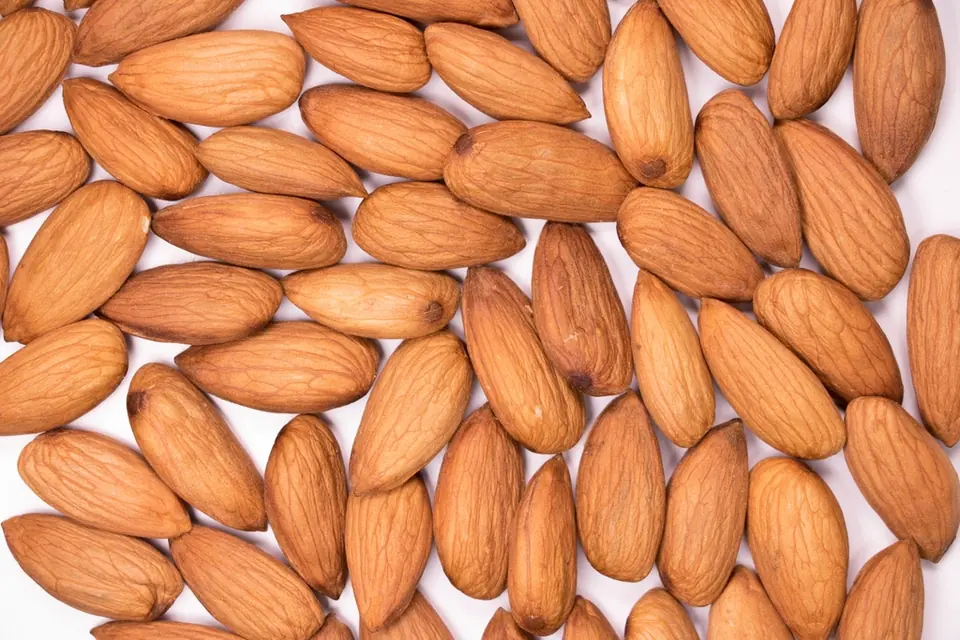
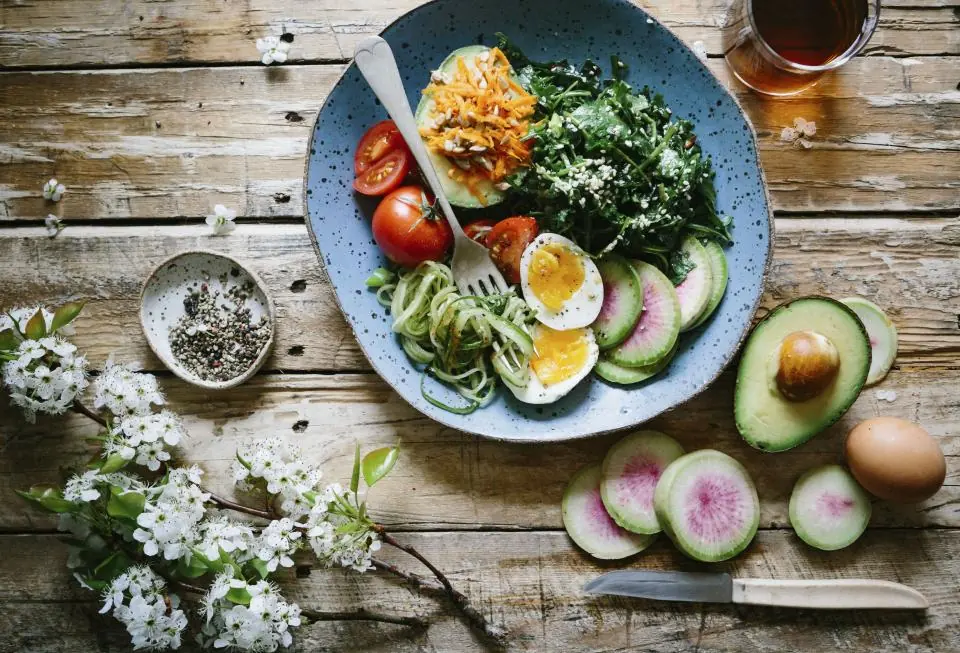
The MIND diet combines the Mediterranean and DASH diets and was designed for brain health. It favours leafy greens, other vegetables, berries, nuts, beans, whole grains, fish, poultry and olive oil, and limits red meat, butter, cheese, pastries, sweets and fried or fast food. Because it is rich in nutrients linked to mood, researchers wondered whether it might ease PMS.
How was the study done?
The women answered questions about their cycle and eating habits, filled in the Premenstrual Syndrome Scale, and completed a MIND diet adherence questionnaire. They also reported which foods they ate more of in the days before their period.
Does diet change PMS? The results
Almost half had PMS
PMS was found in 46.7% of the women. They were younger on average, had longer cycles, and smoked and drank alcohol more often than women without PMS.
A weak link with the MIND diet
Women who followed the MIND diet more closely had slightly milder PMS, but the link was weak. When age and other factors were included, the MIND diet score no longer predicted PMS severity. Age was the only significant predictor: PMS tended to be milder as women got older.
What women ate before their period
Women with PMS more often reported eating more refined grains, fried foods, sweets and sugary foods, coffee, packaged foods and sugary drinks in the premenstrual days.
Why might cravings matter?
Cravings for sweet and starchy foods are a recognised part of PMS, possibly because carbohydrates temporarily raise serotonin. But large amounts of sugar, salt, caffeine and processed food can worsen bloating, energy dips, sleep and irritability. The authors suggest targeted nutrition advice for the premenstrual phase.
What are the limits of the study?
- A snapshot: it can’t tell whether diet affects PMS or PMS changes eating.
- Volunteers: women who chose to take part may differ from the general population.
- Self-reported: both diet and symptoms were based on questionnaires.
- One country: food habits in Türkiye may differ from elsewhere.
No single diet cures PMS, but the premenstrual plate still matters.
What can help with PMS?
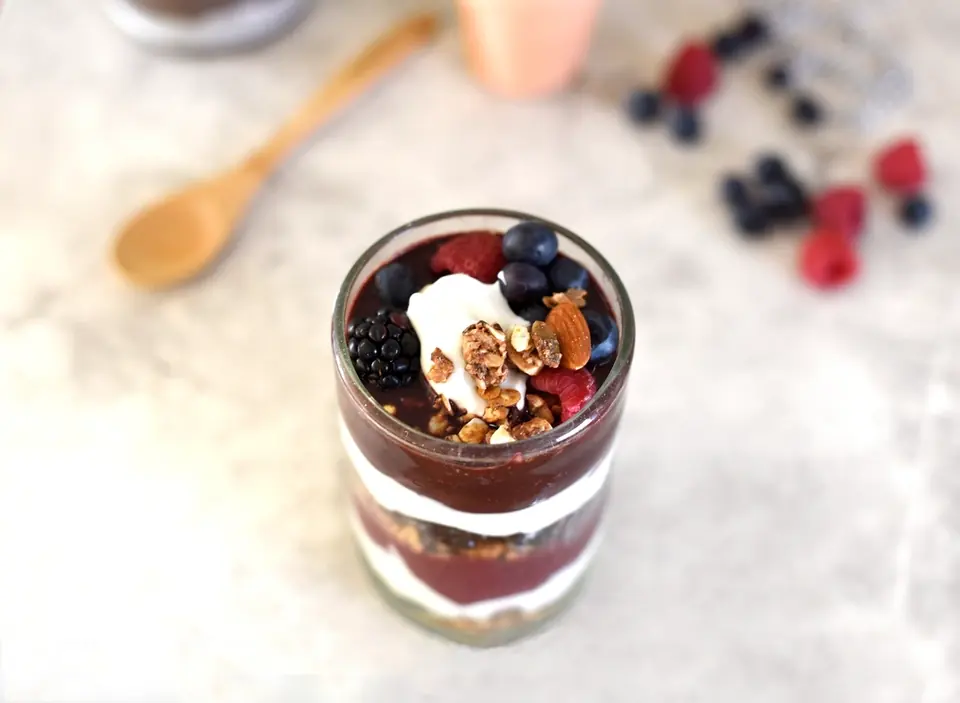
- Plan for cravings: keep fruit, yoghurt, nuts or dark chocolate on hand rather than packaged sweets.
- Eat regular meals with whole grains and protein to keep energy steady.
- Go easy on coffee, alcohol and salty snacks in the days before your period.
- Move: regular exercise is one of the better-supported ways to ease PMS.
- Track your symptoms for two or three cycles to spot patterns.
- See a doctor if symptoms disrupt your work or relationships; severe mood symptoms may be PMDD, which is treatable.
Frequently asked questions
What foods make PMS worse?
This study found women with PMS ate more sweets, fried and packaged foods, sugary drinks and coffee before their period. Salt, caffeine and alcohol can worsen bloating, sleep and mood for some women.
What should I eat during PMS?
Regular meals with whole grains, vegetables, fruit, protein and calcium-rich foods, with satisfying snacks such as yoghurt or nuts for cravings.
Why do I crave sugar before my period?
Hormone changes before a period may lower serotonin, and carbohydrates can raise it briefly, which may drive cravings. Many women experience them.
Does PMS get better with age?
In this study, older women had milder PMS. Symptoms can change over time, though some women notice them worsening in perimenopause.
Sources
- Sarıyer E.T., Baş M., Çolak Çetinkaya H., Yüksel M.. MIND diet adherence and premenstrual syndrome severity among adult women: a cross-sectional study. Frontiers in Nutrition, published 5 November 2026. doi:10.3389/fnut.2026.1990224
This article is for information only and is not medical advice. How we research and check our stories.