Does Exercise Help Menopause Symptoms? Confidence Was the Key to Moving More in Midlife Women
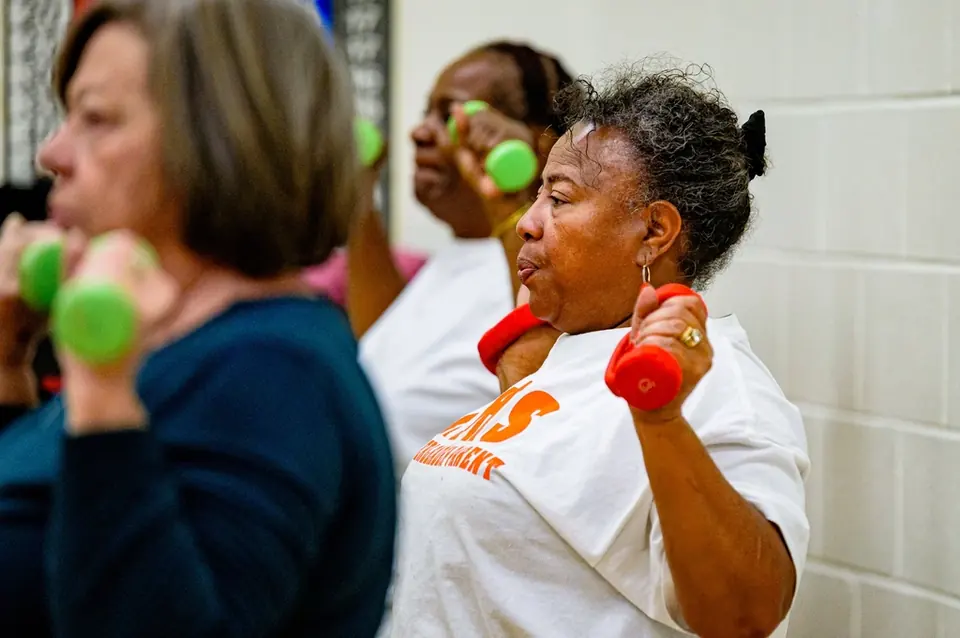
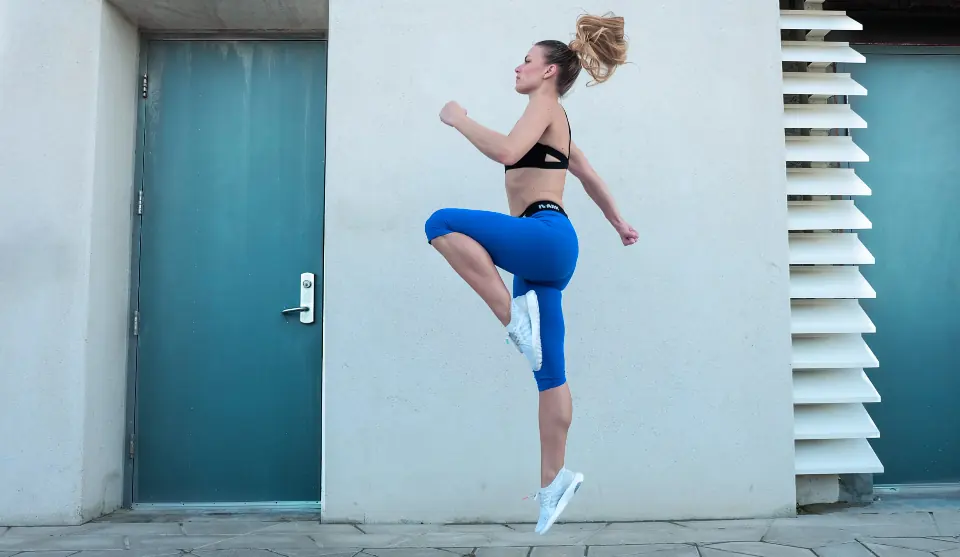
Does exercise help menopause symptoms? A study of midlife women found activity linked to slightly fewer symptoms, and showed that confidence in your ability to exercise is one of the strongest predictors of moving more.
Does exercise help menopause symptoms?
Possibly, a little. In a study of 159 Malaysian women aged 40 to 60, more physical activity was linked to slightly fewer menopause symptoms, though the link wasn’t robust. The clearer finding: women confident they could exercise were far more active, with 56% meeting guidelines in the most confident group versus 17% in the least.

Most women know exercise is good for them in midlife, yet many struggle to fit it in, especially when tiredness, aches and poor sleep get in the way. A study published in Women & Health on 18 November 2026 explored exercise for menopause symptoms from a new angle: what makes some women more active than others?
What are the most common menopause symptoms?
In this group of women, the most frequent symptoms were not hot flashes. The top three were dry skin (44.7%), brain fog (42.1%) and hair thinning or loss (39.0%). That is a useful reminder that menopause affects the whole body, not just temperature.
What is exercise self-efficacy?
Self-efficacy is a psychology term for your belief that you can do something, even when it is hard. Exercise self-efficacy is your confidence that you can keep exercising when you are tired, busy, in pain or not in the mood. Research in other groups has shown it is one of the strongest predictors of who stays active.

How was the study done?
The women completed a menopause symptom checklist, a short international questionnaire on physical activity, and the Exercise Self-Efficacy Scale. Researchers then looked at how the three were linked, taking age, body mass index and menopause stage into account.
Does exercise reduce menopause symptoms? The results
Most women weren’t active enough
The women averaged 139 minutes a week of moderate to vigorous activity, just under the 150 minutes recommended by the World Health Organization. Only 32.7% met the guideline, and 39.6% had low activity.
Confidence made a big difference
Each one-point increase in self-efficacy score was linked to 13% more physical activity. The share of women meeting the WHO guideline rose from 17% in the least confident quarter to 56% in the most confident.
A small link with symptoms
More activity was linked to slightly fewer symptoms, about 4% fewer for each extra 600 MET-minutes a week, roughly 150 minutes of moderate activity. But this result didn’t hold in all the researchers’ checks, so it should be read with caution.
Why does confidence matter so much?
Midlife brings real barriers: work, caring for children or parents, joint pain, fatigue and poor sleep. Women who believe they can work around these are more likely to keep going. The good news is that self-efficacy can be built, through small successes, support and realistic goals.
What are the limits of the study?
- Small: 159 women from one country.
- A snapshot: it can’t show whether exercise eases symptoms or whether women with fewer symptoms exercise more.
- Self-reported: activity and symptoms were based on questionnaires, which can be inaccurate.
- Fragile result: the symptom link wasn’t robust in sensitivity analyses; the authors call for longer studies.
Believing you can is often the first step to actually moving.

How can you build the confidence to exercise in midlife?
- Start small: a 10-minute walk counts, and early wins build confidence.
- Plan for obstacles: decide in advance what you’ll do on tired or busy days, such as a shorter session.
- Find company: a friend, class or walking group makes it easier to keep going.
- Track your progress so you can see how far you’ve come.
- Add strength training twice a week to protect muscle and bone.
- Talk to your doctor about symptoms that make exercise hard, such as joint pain or heavy periods.
Frequently asked questions
What exercise is best for menopause?
A mix of aerobic activity such as brisk walking, and strength training twice a week, is recommended. Yoga and stretching can help with flexibility and stress.
How much exercise do women need in midlife?
The World Health Organization recommends at least 150 minutes of moderate activity a week, plus muscle-strengthening activities on two or more days.
Why is it hard to exercise during menopause?
Tiredness, poor sleep, joint aches and busy lives all get in the way. This study found that confidence in your ability to exercise strongly predicted how active women were.
Is dry skin a sign of menopause?
Yes. Falling estrogen reduces skin oil and hydration. Dry skin was the most common symptom in this study, reported by 44.7% of the women.
Sources
- Nga C.Z.J., Che Muhamed A.M., Farah N.M.. Exercise self-efficacy, physical activity, and menopausal symptoms in Malaysian midlife women: A cross-sectional study. Women & Health, published online 18 November 2026. doi:10.1080/03630242.2026.2765456
This article is for information only and is not medical advice. How we research and check our stories.