Is Pea Protein Good for Your Gut? It Boosted Friendly Bacteria but Lowered Diversity, a Trial Finds
Is pea protein good for your gut? A randomized trial compared pea protein powders with whey in healthy adults: the plant protein encouraged some friendly bacteria but reduced the overall variety of gut microbes in four weeks.
Is pea protein good for your gut?
Partly. In a Swedish trial of 56 healthy adults, mostly women, four weeks of pea protein powder increased some beneficial bacteria, such as Bifidobacterium longum and Lactobacillus crispatus, but slightly reduced the overall variety of gut bacteria. Whey protein didn’t change diversity. Pea protein is a reasonable choice, but whole foods remain best for gut health.

Pea protein has become the star of plant-based shakes, bars and dairy-free yoghurts. It is good for the planet and suits people who avoid dairy, but what does it do inside your gut? A randomized trial published in the European Journal of Nutrition on 11 November 2026 compared two pea protein powders with whey, and found that the choice of pea protein vs whey shapes gut bacteria in different ways.
What is the difference between pea protein and whey?
Whey is a milk protein, the classic choice for sports shakes. Pea protein comes from yellow split peas and is sold in two main forms. A concentrate keeps more of the pea’s natural fibre and starch, while an isolate is more refined and almost pure protein.
Protein that isn’t fully digested reaches the large intestine, where gut bacteria feed on it. Different proteins, and the fibre that comes with them, may therefore favour different microbes. Few studies had compared plant and animal protein powders head to head in people.
How was the trial done?
Sixty healthy adults with a normal diet and no protein or fibre supplements were randomly assigned to one of three powders. Neither they nor the researchers knew which one they received. Each person took 0.5 g of powder protein per kg of body weight per day, split between breakfast, lunch and dinner, mixed into any food or drink they liked.
What was measured
- Gut bacteria from weekly stool samples;
- Blood and urine markers at the start, middle and end;
- Digestive symptoms and stool habits, with weekly questionnaires.

Does pea protein change your gut bacteria? The results
More of some friendly bacteria
Each pea powder increased specific bacteria often considered beneficial:
- Pea concentrate: more Bifidobacterium longum, a common probiotic species, and Anaerobutyricum hallii, which produces butyrate, a compound that nourishes the gut lining;
- Pea isolate: more Lactobacillus crispatus and Limosilactobacillus frumenti, lactic acid bacteria.
But less variety overall
Both pea proteins reduced gut diversity, the number and balance of different species, especially in people with a slightly higher body mass index. Greater diversity is generally seen as a sign of a healthy gut, so the authors note this could hint at an early imbalance, though its meaning over four weeks is unclear. Whey protein did not change diversity.
Digestion and blood markers
Digestive symptoms stayed low in all groups, though indigestion scores rose slightly with pea concentrate. Blood markers changed little; insulin rose slightly in the pea concentrate group. Four people dropped out, some because of the taste.
Why would protein powders affect gut bacteria?
Pea concentrate contains about five grams of fibre per daily dose, which feeds fibre-loving bacteria. Undigested protein, on the other hand, is fermented by other microbes. The mix of fibre and protein in each powder probably explains why each one favoured different species. Whether these changes matter for health over months or years is not known.
What are the limits of the study?
- Small and short: 56 people over 4 weeks, too few to compare subgroups reliably.
- Young and healthy: results may differ in older adults or people with digestive conditions.
- Composition, not function: the study counted bacteria but didn’t show what they were doing or whether health improved.
- Specific products: three commercial powders were tested; others may behave differently.
The trial was funded by the Swedish research council FORMAS and the Ekhaga Foundation, and the authors declared no competing interests.
Your protein powder doesn’t just feed your muscles; it feeds your gut bacteria too.
Which protein powder should you choose?
Both pea and whey protein are reasonable options if you need extra protein, for example after menopause, when training or on a plant-based diet. Pea concentrate offers a bit of fibre; if you notice bloating, start with a smaller dose. Choose products with few additives and little added sugar.
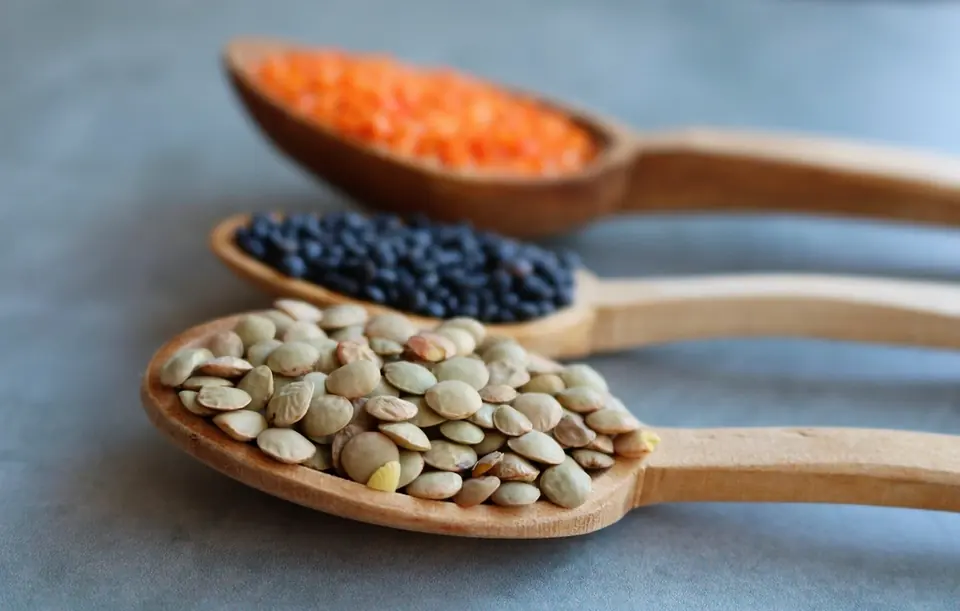
For your gut, though, powders can’t replace whole foods. Peas, beans, lentils, whole grains, vegetables, nuts and yoghurt provide protein along with the fibre and variety that support a diverse microbiome. If you have a digestive condition or kidney disease, ask your doctor or a dietitian before adding protein supplements.
Frequently asked questions
Is pea protein better than whey?
Neither is clearly better. In this trial, pea protein boosted some beneficial gut bacteria but reduced overall diversity, while whey left diversity unchanged. Whey is a complete protein; pea protein suits dairy-free and plant-based diets.
Can pea protein cause bloating?
Some people notice mild digestive discomfort. In this study, symptoms stayed low overall, but indigestion scores rose slightly with pea protein concentrate, which contains more fibre.
Is pea protein a complete protein?
It contains all essential amino acids but is relatively low in methionine. Eating a varied diet with grains, nuts or seeds easily makes up for this.
How much protein powder should I take a day?
In this study, people took about 0.5 g per kg of body weight, around 35 g for a 70 kg person, on top of their diet. Most people can meet their needs from food; ask a dietitian if unsure.
Sources
- Kamm A., Prado S., Dannenberg K., Repsilber D., Marques T.M., Brummer R.J.. Differential effects of pea protein isolate, pea protein concentrate, and whey protein isolate supplementation on gut microbiota and metabolic markers in healthy adults: a 3-arm parallel randomised intervention. European Journal of Nutrition, published 11 November 2026. doi:10.1007/s00394-026-04143-z · registry NCT05611138